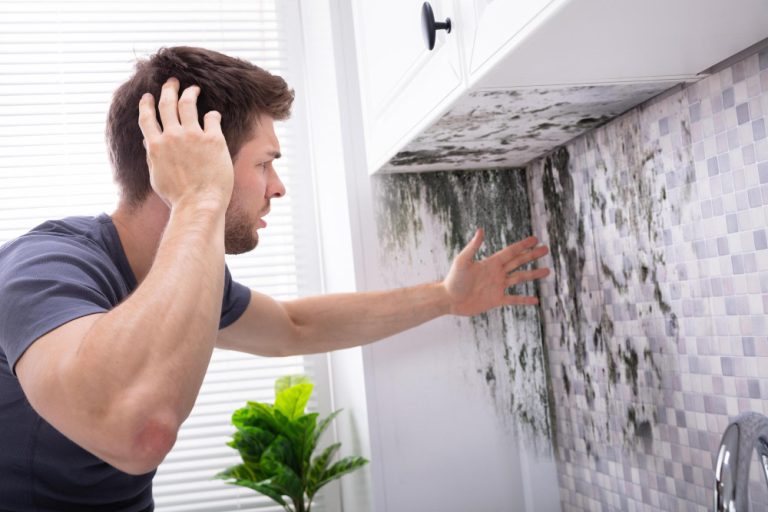
There is increasing public awareness about the potential health hazards associated with living with mould. This is putting pressure on property and strata managers to ensure the living environment provided to their owners and tenants is conducive to healthy living.
Mould grows in damp areas. The experts say we should ideally keep the humidity in our homes below 60%. Whilst Perth enjoys a relatively dry climate, the internal humidity is increased simply by living in the area.
The most efficient way to avoid mould growth is to keep the air clean and dry. Ventilation is key to this process and simple habits such as opening windows to allow for air exchange and using extraction fans can have a huge impact on the health of a building.
Why do we have problems in our apartment?
Apartment blocks are more susceptible to mould for a few reasons:
- They have shared walls so damp in one unit can present a problem in a neighbouring unit
- Water leaks to the floor of a shower will present as damage to the ceiling of the unit below
- Plumbing systems are often shared
- Their design can limit the opportunity for cross ventilation
- Proactive maintenance is often not a priority
How do we know there is water damage?
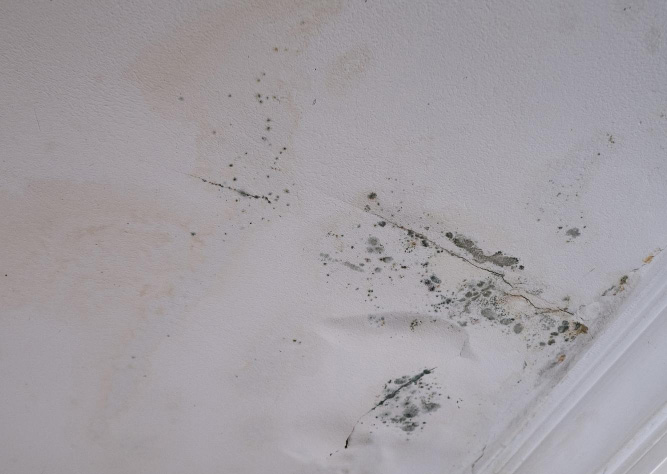
Whilst mould growth can show an area of damp, there are other signs. Bubbling paint and water stains on a carpet are also signs that water may be affecting the building. A damp or musty smell usually indicates a damp or musty area. If the source of the problem is not identified and fixed, this can lead to bigger and more expensive problems.
Where is the damp coming from?
There are multiple ways damp can be occurring.
- Water ingress can be water entering the building from the external elements; window issues, incorrect or deteriorated flashing profiles, cracks, incorrect balcony floor levels, wind blown rain or damaged roof cover to name a few.
- Plumbing failures – leaks in the pipes or the drainage systems can allow water into walls and possibly ceilings of multi level buildings.
- Thermal bridging – when it is cold outside and you have the heating on inside, the internal air cools when it touches a cold window. This causes the water in the air to condense and then drip down the windows internally. This may sit on the window sill, or run on to the wall or floor below.
- Inadequate shower maintenance – grout in showers breaks down over time and allows water to pass through.
- Steam generated from showering condenses onto all the surfaces in the room.
- Drying laundry inside adds moisture to the air.
- Breathing. An average adult exhales almost 2 cups of water per day!
Double Whammy Winter
The complaints about damp and mould rise exponentially in winter. Everyone immediately thinks it must be the rain and there must be a leak somewhere. This may very well be the case but winter is also the time when windows are closed, heating is turned on, laundry is drying inside and all that moisture has nowhere to go. It settles on the walls and over time starts causing damage. We often attend leak concerns in apartments to find all the windows and curtains closed. Open the curtains and there is water pouring down the inside of the windows. This is condensation from living in an enclosed area and it will eventually damage the building.
What is the responsibility of the tenant in an apartment?
Tenants are responsible for taking preventative measures to reduce the risks associated with a damp environment, including mould growth in the home. We would expect tenants to practice the following:
- Regularly opening windows
- Using bathroom extraction fans during, and for at least 20 minutes following, a shower
- Using kitchen extraction fans when cooking
- Leave air gaps between furniture and walls
- Immediately wipe up liquid spills especially on carpet
- Wipe up pooled water from condensation on window sills
- Regularly cleaning exhaust fans to maintain their effectiveness
- Immediately inform the relevant property or strata manager when a leak is identified
What is the responsibility of the property/strata manager?
It is the responsibility of a property or strata manager to ensure the building entrusted to their care is adequately cared for to reduce costs and potential liability claims to the building owners. This will include:
- Prompt attention to reported issues including timely repairs if warranted.
- Ensuring tenants understand their role in the care of the building including appropriate feedback following property condition inspections.
- Scheduling preventative maintenance on showers every 5 years and encouraging owners to authorise the works.
- Only requesting building work that addresses the cause of the problems, rather than authorising ineffective costs that only deal with the symptoms of the real issue.
Insurance policies do not often cover mould damage or remediation if the cause of the mould is poor property maintenance so it is extremely important that preventative maintenance is practiced.
How can we help?
Unfortunately we are normally called in desperation when “we have tried everything and nothing has worked”. Often large sums of money have been spent on a variety of different trades who all offer a solution but this is sometimes only from one perspective. We understand how buildings are built, and how they behave so we see the bigger picture. Our inspectors put all the information together to figure out the root cause of the problem. Having this perspective upfront can save unnecessary cost and angst.
Let us know what problem you are having – photos and descriptions of when the problem occurs always help. We will arrange a convenient time to attend site to investigate the possible reasons. We then provide a clear and concise report detailing our findings and the suggested solutions.
If required, we are happy to speak to the contractor/s you choose to perform the work to enable them to understand what needs to be done.