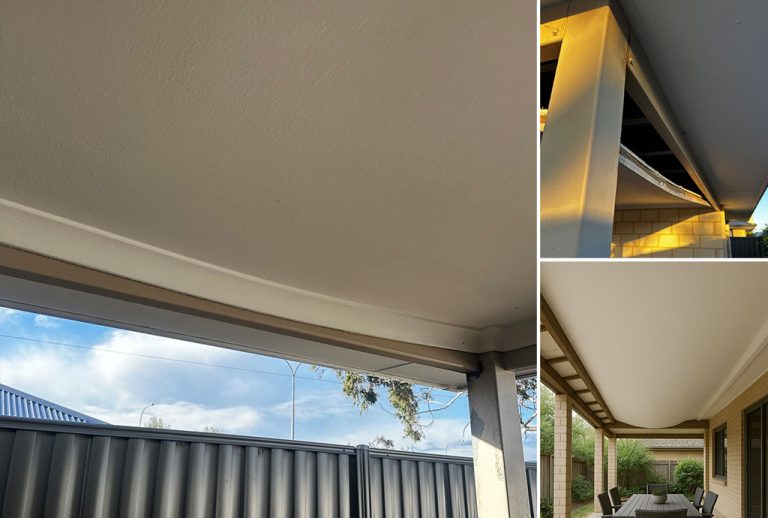
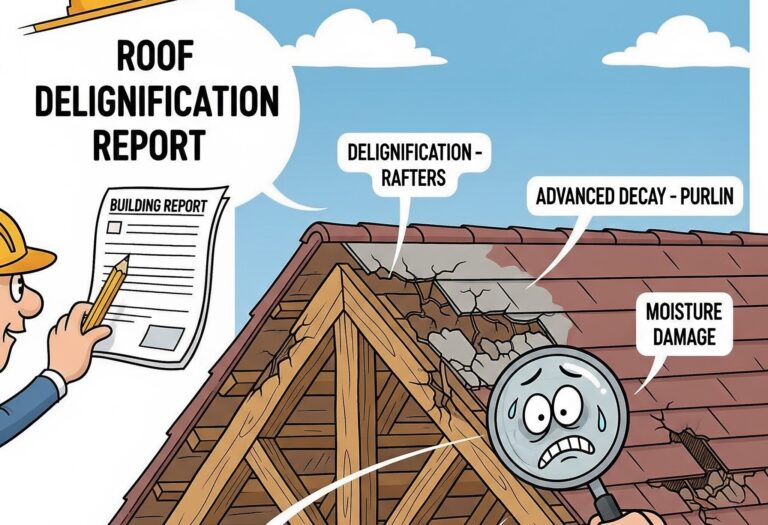
Gaining a foundational understanding of common roof types and components is crucial when reviewing property reports. This knowledge will enable you to better comprehend potential concerns and their implications.
This is not a comprehensive list but some of the more common ones that may apply to your home.
Common Roof Configurations

Hip Roof
Predominantly seen in Western Australia, this design features all sides sloping upward to meet at a single, central line known as the ridge.

Gable Roof
A classic design characterized by two sloping sides that join to form a triangular section at the ends, meeting at the ridge.

Hip and Valley Roof
A more complex configuration found where various sloping roof sections converge, creating internal drainage channels referred to as valleys.
Other Terminology

Ridge
The highest horizontal line of the roof, formed where two upward-sloping roof planes intersect.
Valley
The internal angle or channel where two sloping roof sections meet. This area manages water runoff.
Eaves
The overhanging edge of the roof where it extends beyond the wall below it.
Gutters
Horizontal channels designed to collect rainwater and direct it toward the downpipes for controlled disposal.
Downpipes
Vertical pipes that convey water from the gutters down to the ground or to a lower dispersal point.
Flashing
Metal or other material used to seal joints and prevent water penetration.